
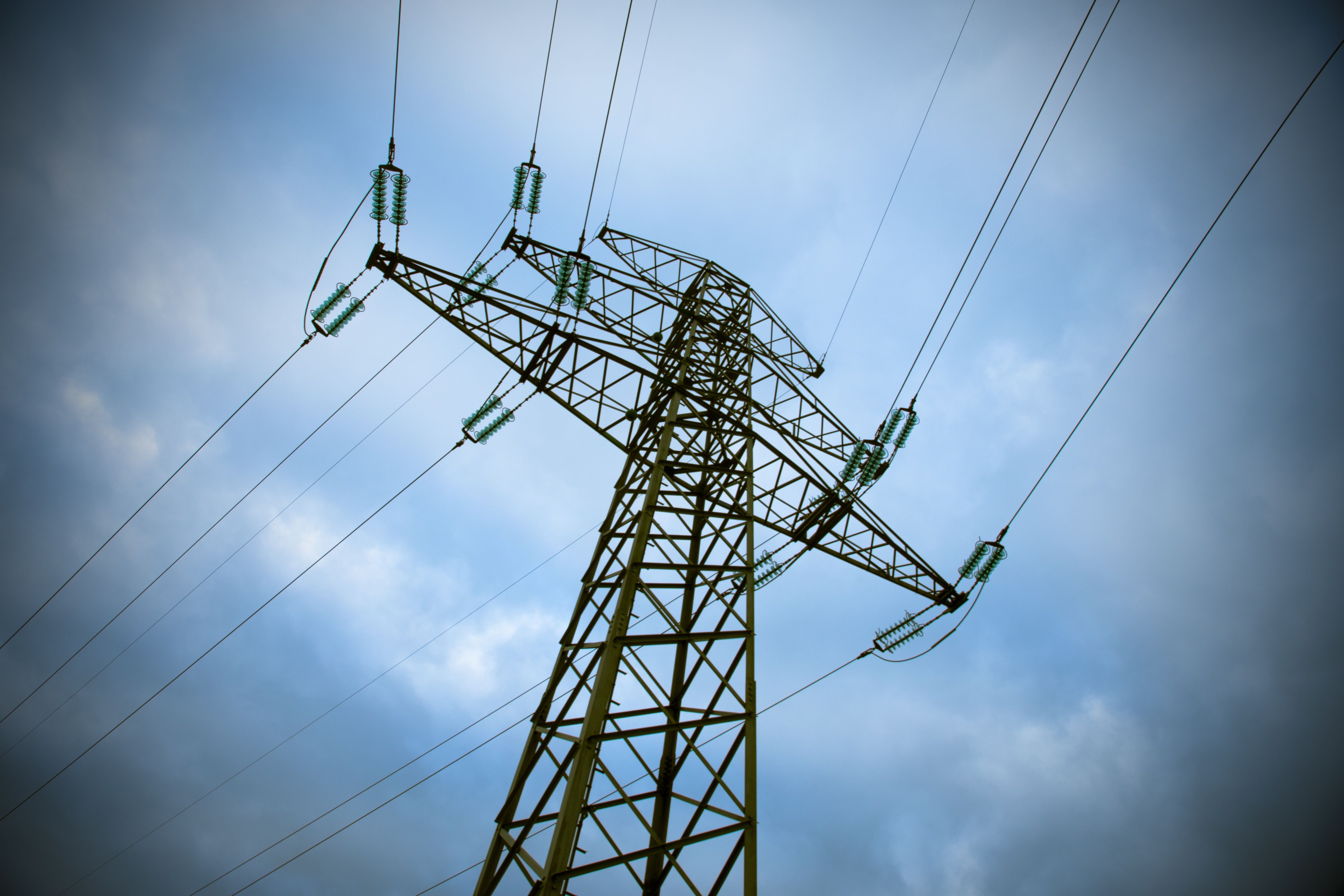
The recurring power outages in Tunisia during the recent heatwave have once again brought the issue of public enterprises to the forefront of public debate, particularly the Tunisian Company of Electricity and Gas (STEG). The company has faced growing criticism over the quality of the services it provides, owing to its monopoly over electricity generation, transmission, and distribution, as well as the distribution of natural gas.
However, placing the entire responsibility on STEG alone would be an oversimplification. In reality, the state of the sector reflects a shared responsibility between the company and its supervisory authority, represented by the Ministry of Industry, Mines and Energy. This shared responsibility extends to strategic decisions, the governance framework, and the regulatory environment within which the sector operates. Nevertheless, assessing STEG's current situation and the effectiveness of its management remains an essential step in understanding the challenges facing Tunisia's electricity sector.
At the same time, analysing the company's performance alone is not sufficient. It is also necessary to examine the broader economic model within which it operates. STEG is only one component of a wider system adopted by the Tunisian state since independence, based on public monopolies over most essential services, extensive subsidy policies, and restrictions on competition and private sector participation.
Against this background, this article addresses the issue through two main sections. The first examines STEG's governance, the mechanisms used to price electricity and natural gas, and the extent to which internal reforms could improve the company's performance if the current model is maintained. The second discusses the broader economic model within which STEG operates and assesses whether it remains suited to the economic and fiscal challenges facing Tunisia today.
STEG Between Legal Monopoly and the Governance Crisis
A Company Operating Under a Legal Monopoly
Since its establishment under Decree No. 8 of 1962, the Tunisian Company of Electricity and Gas (STEG) has been entrusted with the generation, transmission, and distribution of electricity, as well as the distribution of natural gas. This institutional arrangement reflected the post-independence economic strategy, which was characterised by an expanding role for the state in order to ensure universal access to essential public services and guarantee their continuity. As a result, STEG was granted an almost complete monopoly over the electricity sector, while the state retained direct control over public policy, tariff setting, and major investment decisions.
This model was justified at the time, given the limited capacity of private investment and the country's underdeveloped infrastructure. Over the past decades, however, the electricity sector has undergone profound transformations, driven by advances in generation technologies, particularly renewable energy. Many countries have consequently introduced competition in electricity distribution, transmission, and maintenance while maintaining public oversight of generation through either the state or independent regulatory authorities. In Tunisia, despite the adoption of Law No. 27 of 1996 and later Law No. 12 of 2015 on electricity generation from renewable energy sources, market liberalisation has remained limited. STEG continues to play the dominant role in electricity generation, transmission, and distribution, while private sector participation remains constrained by a legal and regulatory framework that does not allow the emergence of genuine market competition.
According to the World Bank (2025), Tunisia's electricity sector still follows a vertically integrated utility model, in which most activities are concentrated within a single public enterprise. This contrasts with the reforms adopted in many countries, where electricity generation, transmission, and distribution have been unbundled and placed under the supervision of independent regulatory authorities to promote competition, transparency, and private investment. The report also notes that the Tunisian government is currently working to complete the reform of the regulatory framework and establish an independent electricity regulatory authority.
The central issue, however, is not the public ownership of the company itself, but rather the incentives created by this institutional model. In the absence of effective competition, it becomes difficult to assess performance objectively, while incentives to improve service quality, reduce costs, foster innovation, and attract investment are weakened. As a result, the development of the sector depends primarily on administrative reforms and decisions taken by public authorities rather than on competitive market pressures.
Regulatory Constraints Limiting Investment in Renewable Energy
The implications of this institutional model extend beyond STEG's performance and directly affect investment in renewable energy. Despite Tunisia's considerable potential in solar and wind power, the contribution of these sources to electricity generation remains well below national targets. Renewable energy currently accounts for no more than 9% of total electricity production, while around 90% of electricity generation relies on natural gas, a significant share of which is imported from Algeria. This dependence increases Tunisia's energy vulnerability and contributes to the country's persistent trade deficit.
According to the World Bank (2025), this slow transition results from a combination of structural and institutional constraints. Chief among these is the fragile financial position of STEG, which limits its ability to invest in modernising the electricity grid and integrating additional renewable generation capacity, while also weakening investor confidence in the sector. The report also highlights delays in project implementation, caused by lengthy procurement procedures, the involvement of multiple administrative bodies, and weak coordination among public institutions. Furthermore, regulatory procedures remain complex, particularly with regard to licensing, grid access, and contractual arrangements. These obstacles increase project costs and extend implementation timelines. At the same time, private sector participation remains below the level required, even though achieving Tunisia's energy transition objectives will require substantial private investment that neither the government nor STEG can provide on their own.
Although the legal framework evolved significantly with the adoption of Law No. 12 of 2015 on electricity generation from renewable energy, which partially ended the state's monopoly over electricity generation and opened the sector to private investment, the practical implementation of these reforms has remained limited. The law introduced several investment mechanisms, including concession schemes for large-scale projects, authorisation procedures for medium-sized projects, and self-generation for businesses. It also allowed electricity generated from renewable sources to be sold, established new rules governing grid connection, and enabled contractual arrangements with STEG under a revised legal framework, marking a shift from a system of complete monopoly toward a more open investment model. Nevertheless, the World Bank argues that these legislative reforms have not been accompanied by the institutional and regulatory reforms necessary to ensure their effective implementation. The report therefore recommends simplifying licensing procedures, improving conditions for access to the electricity grid, providing a more stable and predictable regulatory framework for investors, and establishing an independent regulatory authority responsible for overseeing the sector, ensuring transparency, and resolving disputes among market participants.
The impact of these regulatory constraints is not limited to large-scale projects but also affects households and businesses. Although the 2015 Law formally recognised the right to self-generate electricity from renewable sources, exercising this right remains subject to numerous technical and administrative requirements, including obtaining the necessary approvals, complying with grid connection standards, and following the procedures governing the injection of surplus electricity into the STEG network, which currently occurs without financial compensation. These administrative complexities have slowed the adoption of rooftop solar systems by households and firms and have constrained the development of decentralised electricity generation, despite the substantial decline in solar panel costs and the rapid progress made in electricity storage technologies in recent years. According to the World Bank, simplifying these procedures is one of the key conditions for expanding the participation of small-scale producers, reducing pressure on the national electricity grid, and accelerating the transition toward a more flexible and diversified electricity system.
A Financial Crisis Reflecting Structural Weaknesses Rather Than the Company's Performance Alone
STEG's 2023 financial statements reveal the company's fragile financial position. Despite receiving approximately TND 4.03 billion in government support, the company ended the year with a net loss of nearly TND 490 million and reported negative shareholders' equity.
However, these results cannot be explained by governance deficiencies alone. According to the World Bank, the company's financial difficulties stem primarily from structural factors. The most significant are electricity tariffs that do not reflect the actual cost of supply, the high cost of electricity generation resulting from heavy reliance on natural gas, as well as technical and commercial losses and weak debt collection, particularly from public institutions and government agencies. The report estimates that current electricity tariffs cover only around 60% of the cost of supply, while technical and commercial losses reached 18.4% in 2023. In addition, unpaid debts owed by public sector entities have reached substantial levels, directly affecting STEG's liquidity, its capacity to invest, and its ability to maintain and modernise the electricity network.
International comparisons also illustrate how relatively low electricity prices remain in Tunisia. The average residential electricity tariff is approximately USD 0.06 per kilowatt-hour, compared with USD 0.08 in Egypt, USD 0.15 in both Morocco and Jordan, and approximately USD 0.30 to USD 0.35 in several European countries. This pricing gap largely explains STEG's continued dependence on government subsidies to maintain its financial viability.
The World Bank warns that maintaining the current model without substantial financial and institutional reforms will further deepen the company's financial deficit, delay the investments needed to modernise the electricity grid, and ultimately reduce service quality while weakening the security of Tunisia's electricity supply.
Governance Reform Is Necessary, but Not Sufficient
The previous discussion does not imply that STEG's internal governance does not require reform. On the contrary, improving transparency, strengthening human resource management, accelerating project implementation, adopting international standards for accounting and financial reporting, and enhancing investment planning are all essential measures to improve the company's performance.
There is little doubt that STEG requires substantial governance reforms, including greater transparency, more effective human resource management, the adoption of international accounting and financial reporting standards, and better long-term investment planning.
The World Bank identifies several institutional weaknesses that continue to limit the company's efficiency. These include the absence of accounting separation between electricity and natural gas activities, the limited implementation of International Financial Reporting Standards (IFRS), and the need to modernise the company's governance framework in line with international best practices.
Nevertheless, while these reforms are important, they are unlikely to be sufficient if the broader institutional framework remains unchanged. The challenges facing STEG are not solely the result of how the company is managed, but also of the institutional model within which it operates. This model is characterised by a legal monopoly, administratively determined tariffs, increasing reliance on government subsidies, and limited competition and private sector participation.
The fundamental question, therefore, is not simply whether STEG is managed efficiently, but whether this institutional model, after more than six decades in operation, remains capable of ensuring energy security, delivering high-quality public services, and preserving the long-term sustainability of Tunisia's public finances.
A Rent-Seeking and Monopolistic Model in Need of Reform
As discussed in the previous section, the Tunisian Company of Electricity and Gas (STEG) operates within a legal framework that grants it a dominant position in the generation, transmission, and distribution of electricity. Moreover, its key decisions, including those related to pricing, investment, and broader sectoral policies, remain largely subject to government oversight. Consequently, the current challenges cannot be understood by examining the company's performance alone. They also require a broader discussion of the economic model within which STEG operates.
This article does not seek to argue in favour of either privatisation or public ownership. A separate study will be devoted to comparing the different institutional models adopted internationally. Nevertheless, several general observations can already be made to better understand the underlying issues.
Monopoly Weakens Economic Incentives
From a microeconomic perspective, the performance of firms depends less on the ownership of capital than on the incentives under which they operate. Whether a monopoly is publicly or privately owned, it generally reduces the competitive pressures that encourage firms to improve productivity, lower costs, innovate, and respond efficiently to consumers' needs.
Economic literature consistently emphasises that competition serves a dual function. It not only gives consumers the freedom to choose among different suppliers, but also provides an objective mechanism for evaluating firms' performance. Under monopoly conditions, this benchmark largely disappears, making it difficult to determine whether declining service quality or rising costs result from poor management, the absence of competition, or external factors beyond the firm's control.
In Tunisia's electricity sector, this issue is particularly significant because STEG operates in a market where there is no effective competition in the supply of electricity to final consumers. As a result, assessing the company's economic efficiency becomes considerably more complex.
Conflicting Economic and Political Objectives
These challenges become even more pronounced when a public enterprise lacks genuine autonomy in decision-making. When the state sets retail electricity prices for social reasons while simultaneously determining investment policies, recruitment decisions, and strategic priorities, the company is expected to pursue economic, social, and political objectives at the same time.
Under such circumstances, evaluating management performance becomes particularly difficult. If the company records financial losses, are these losses the result of poor management, electricity tariffs set below cost, delays in government subsidy payments, or investment decisions imposed by public authorities? The interaction of these factors makes it difficult to assign responsibility clearly and weakens mechanisms of accountability and transparency.
The World Bank argues that improving the performance of the electricity sector requires a clearer separation between the state's role as a market regulator and the company's role as an economic operator. Such an institutional distinction would make responsibilities more clearly defined, strengthen accountability, and improve governance across the sector.
Is the Natural Monopoly Still Justified?
Historically, the electricity sector has been regarded in the economic literature as a natural monopoly, owing to the high costs associated with building and maintaining transmission and distribution networks, as well as the inefficiency of duplicating such infrastructure within the same geographical area.
However, technological progress over recent decades has altered part of this rationale. While transmission and distribution networks continue to exhibit the characteristics of a natural monopoly in most countries, electricity generation has become increasingly competitive. This change has been driven by the declining cost of renewable energy technologies, the emergence of independent power producers, advances in battery storage, and the expansion of decentralised electricity generation.
For this reason, many countries have chosen to keep transmission and distribution networks under public ownership or independent regulation while gradually opening electricity generation to competition and private investment. This approach has helped attract private capital and accelerate the transition towards cleaner and more diversified energy systems.
The Role of the State: From Producer to Regulator
Calling for reform of the electricity sector does not necessarily imply privatising the Tunisian Company of Electricity and Gas (STEG) or withdrawing the state from the energy sector. The central issue is not the ownership of the company itself, but rather the role that the state should play in the sector.
In many economies, the state's role has gradually evolved from that of a direct producer to that of a regulator responsible for establishing the legal and regulatory framework, safeguarding competition, protecting consumers, and ensuring fair access to electricity networks, while retaining the capacity to pursue social policy objectives whenever necessary.
In this context, the World Bank argues that reforming Tunisia's electricity sector should focus on strengthening governance, improving STEG's financial position, establishing an independent regulatory authority, and expanding private sector participation in electricity investment and generation. At the same time, the state should preserve its regulatory role and continue to ensure energy security as a core public policy objective.
Reforming Subsidies: From Price Subsidies to Targeted Social Support
Reforming the electricity sector or revising subsidy policies does not imply abandoning the state's social role. Rather, it involves redesigning the system to make it more equitable and efficient. For many years, the economic literature has distinguished between price subsidies, which benefit all consumers regardless of their income level, and targeted transfers, which are directed exclusively towards the most vulnerable households.
The main limitation of price subsidies is that they do not differentiate between low-income and high-income households. As household consumption of electricity, fuel, or other subsidised goods increases, so does the value of the subsidy received. Consequently, wealthier households, which generally consume more energy, often capture a disproportionate share of public expenditure devoted to subsidies.
This conclusion is supported by a study I previously conducted and published on LinkedIn, using data from the 2021 National Household Consumption, Expenditure, and Income Survey conducted by Tunisia's National Institute of Statistics (INS). The survey covered a nationally representative sample of approximately 12,000 Tunisian households.
The analysis shows that the effectiveness of subsidy targeting varies across subsidised products. Some essential food items, such as semolina, exhibit a relatively high degree of social targeting, with low-income households capturing most of the benefits. The poorest half of the population receives approximately 54.8% of total semolina subsidies, while accounting for 44.4% of bread subsidies, 44.3% of milk subsidies, and 44.1% of flour subsidies.
By contrast, energy subsidies appear to be substantially less well targeted. The wealthiest 20% of households receive approximately 53.2% of total fuel subsidies, whereas the poorest half of the population receives less than 19%. A similar pattern emerges for electricity subsidies: the richest 20% of households capture around 29.2% of total electricity subsidies, while the poorest half receives only 39.3%. These figures suggest that electricity subsidies tend to benefit high-consuming households, which are generally also those with higher incomes.
Distribution of the Electricity Subsidy by Decile
Share of the electricity subsidy captured by household decile | Poorest half = 39.3% | Richest 20% = 29.2% | Ratio = 0.74
Source: author's calculations based on the 2021 National Household Budget, Consumption and Living Standards Survey, National Institute of Statistics (INS).
These findings indicate that the current subsidy system does not suffer from the same shortcomings across all subsidised goods. Certain forms of support, particularly subsidies for essential food products, continue to fulfil an important social function. In contrast, energy subsidies appear considerably less efficient in targeting vulnerable households, as eligibility is determined primarily by the level of consumption rather than by household income.
Accordingly, reforming the subsidy system should not be interpreted as a call to eliminate subsidies altogether, but rather to redesign their allocation. A gradual transition from universal price subsidies to targeted income-based support could achieve two objectives simultaneously: preserving social protection for vulnerable households while reducing the fiscal leakage that disproportionately benefits higher-income groups. Such a reform would contribute both to greater social equity and to the long-term sustainability of Tunisia's public finances.
It should be noted that these findings are based on preliminary research that I previously published and will be further developed in a separate, more comprehensive study examining the equity and efficiency of Tunisia's subsidy system. That future research will analyse a broader range of subsidised goods and assess the potential implications of alternative reform scenarios for both social justice and public finances.
Conclusion
The challenges facing the Tunisian Company of Electricity and Gas (STEG) cannot be viewed as a temporary crisis or explained solely by weaknesses in the company's internal governance. To a large extent, they reflect the limitations of the institutional model that has governed Tunisia's electricity sector for decades. The combination of a legal monopoly, administratively determined tariffs, continued reliance on government subsidies, and limited competition and private sector participation has produced a system that is finding it increasingly difficult to reconcile service quality, financial sustainability, and the requirements of the energy transition.
This does not imply that the solution necessarily lies in privatising the sector or reducing the state's responsibilities. Nor does it suggest that preserving the status quo is the only viable option. The central issue is instead the role that the state should play and how to design an institutional framework capable of promoting economic efficiency, encouraging investment, while at the same time ensuring the continuity of public service and protecting vulnerable households.
The electricity sector has undergone profound changes over the past decades, driven by technological progress, the expansion of renewable energy, and the emergence of new models of market organisation. In this context, continuing to rely on an institutional framework designed in the 1960s raises a legitimate question as to whether it remains appropriate for today's economic realities.
Ultimately, reforming Tunisia's electricity sector should not be driven by ideological preferences or political slogans, but by evidence, empirical analysis, and international experience. For citizens, the ownership structure of the utility is less important than the quality and reliability of electricity supply, the fairness of electricity prices, and the efficient use of public resources. These outcomes should remain the primary benchmarks against which any reform strategy is evaluated, regardless of the institutional model ultimately adopted.